Kazakhstan culture reflects the history of the nomadic tribes which roamed the Kazakh steppe
forming their unique worldview, creating eclectic customs and traditions, and mixing with
neighboring cultures. Many Kazakhs adopted a more sedentary lifestyle in the 19th and 20th
centuries, leading to the development of new cultural characteristics for Kazakhs, such as huge,
glittering, modern cities. Today, Kazakhstan culture represents the peoples of large swaths of
Central Asia, capturing this nomadic spirit in various types of arts and traditions.
The state language of the Republic of Kazakhstan is Kazakh. The state language is language
used in public management, legislation, legal proceedings and paperwork management operating in
all the field of public relations throughout the country. Our country is a multinational state
and language policy in Kazakhstan has always been aimed at preserving variety and peaceful
coexistence of various languages and their natives on the territory of the country. Each
language in the country is a national heritage.
Training at schools is conducted in Kazakh, Russian and English. This boosts communicative
skills among pupils. Moreover, training in three languages will introduce children to culture
and traditions of other nations.
Each citizen of the Republic of Kazakhstan has a right for free choice of language for
communication, training and creativity. The government creates conditions for learning and
developing of languages of the people of Kazakhstan. Impairment of rights related to language
use is prohibited in the Republic of Kazakhstan.
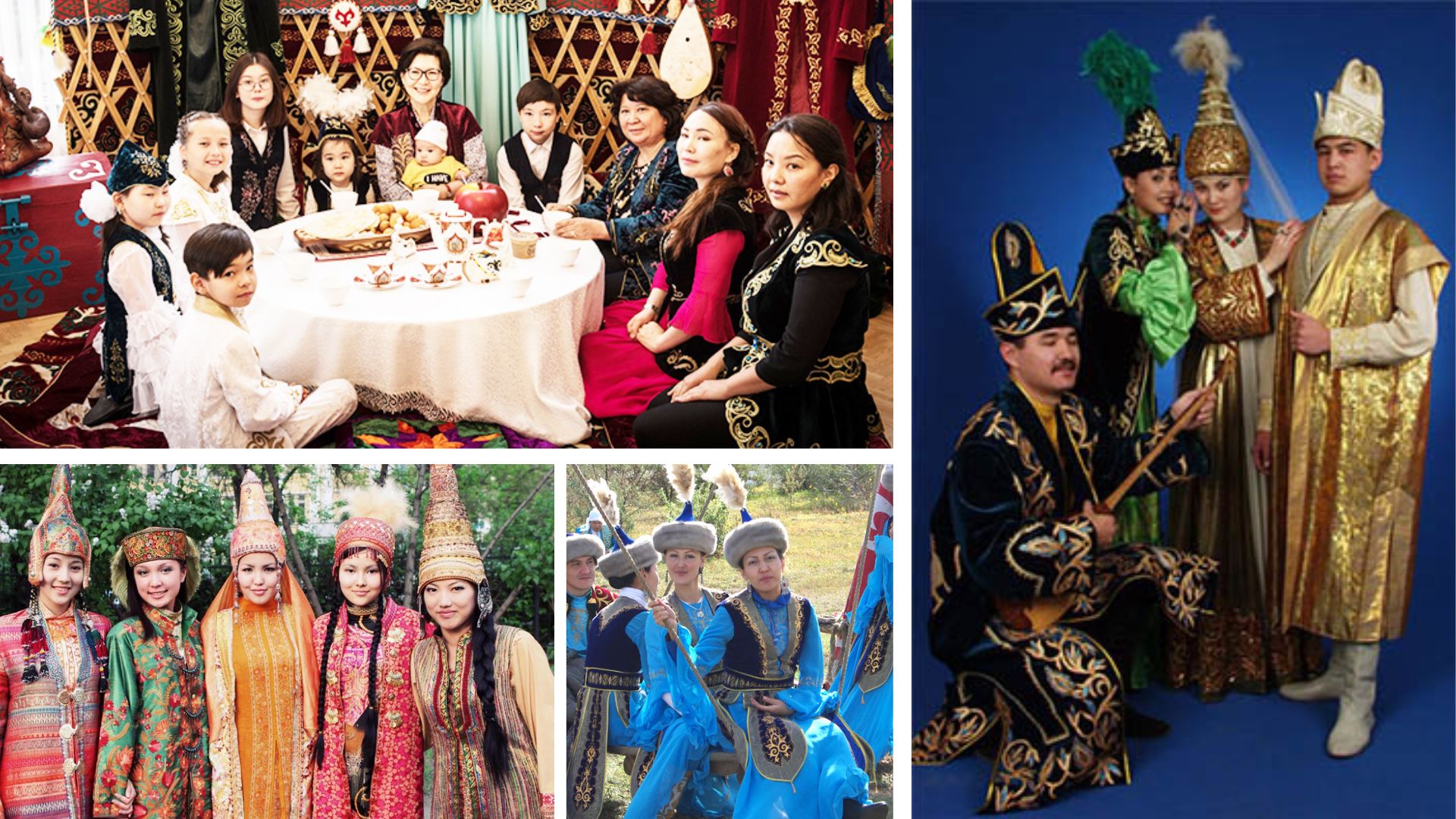
Kazakhstan Clothing
Women's
Clothing :
Traditional women's clothing in Kazakhstan consisted of a long dress or shirt, pants, hat, and
could also include a vest or robe. In winter, fur coats were worn to protect against the harsh
Kazakh winters. What women wore also depended on age and social status. Young girls, for
example, often wore red. However, after turning 30, it was considered indecent to wear this
color. By contrast, middle-aged and elderly women mostly wore blue and black dresses, and, with
age, less and less jewelry.
Men's
Clothing:
Men’s clothing in Kazakhstan consisted of a simple shirt, pants, and a hat. It was the “shapan”,
or dressing gown, that was used to convey social status and was considered the most important
item of clothing. Shapan could be made from all sorts of fabric and be beautifully
multi-colored, however plainer shapan with dark colors were considered the norm. Ceremonial
shapan, for example, were dark blue or black but also decorated with gold embroidery. Such
ceremonial robes were made to be given to respected people and important guests, and this
tradition is still very popular in Kazakhstan.
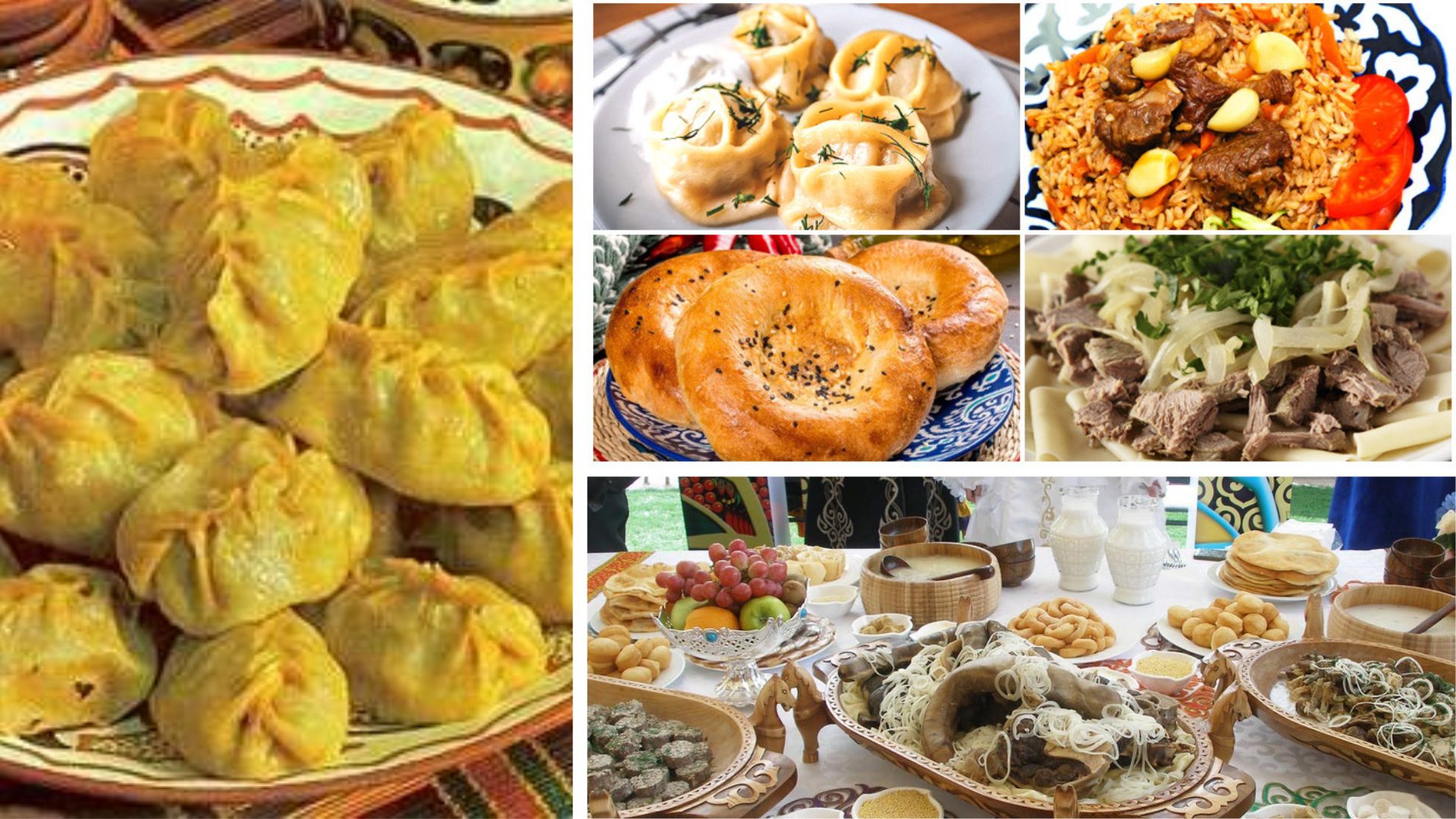
Kazakhstan Food
Nomadic life laid the foundation for Kazakh national
cuisine many centuries ago. Much energy was required for the people’s rugged lifestyle lived out
under harsh climactic conditions, and as a result the local diet has long featured hearty dishes
made from filling and readily available ingredients, namely meat and milk products.
Kazakhs consider this dish their own, although the roots of laghman are actually in Uyghur
cuisine. Most of the approximately 275 thousand Uighurs in Central Asian live in Kazakhstan, and
it was their ancestors who first introduced this dish to Kazakh cuisine.
Kazakh dairy products occupy a special place in the national cuisine. They primarily consist
of fermented milk products and dishes which call for these ingredients. Some of the most popular
include:
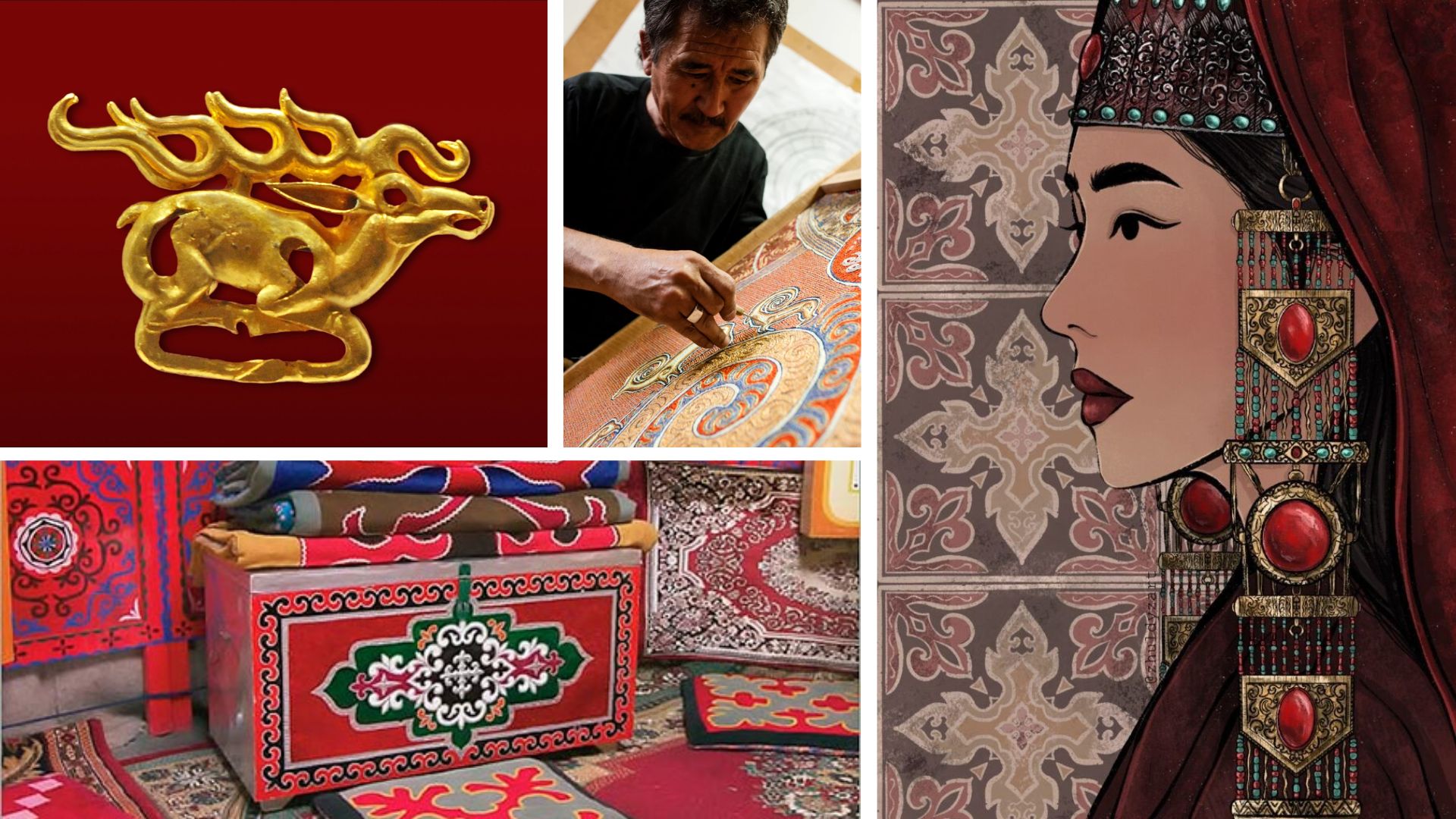
Kazakhstan Art
Kazakhstan's art is primarily applied art, which includes the decoration of practical objects
like household utensils and harnesses. Kazakh art also includes fine arts, sculpture, and
architecture. Kazakh men are known for their skills in woodworking, leatherworking,
goldsmithing, silversmithing, and metalworking, while women are known for their needlework and
embroidery.
The art of Kazakhstan covers all forms of art created throughout history by the peoples living
on the territory of modern-day Kazakhstan. Throughout most periods, much of the population of
Kazakhstan was nomadic, or at least moved regularly across the vast country. The great majority
of the art of Kazakhstan is applied art: the decoration of practical objects, including
household utensils and patterned harnesses, through art forms such as carpet-weaving, pottery,
and leatherwork. The art of Kazakhstan also includes architecture, fine arts, and sculpture.
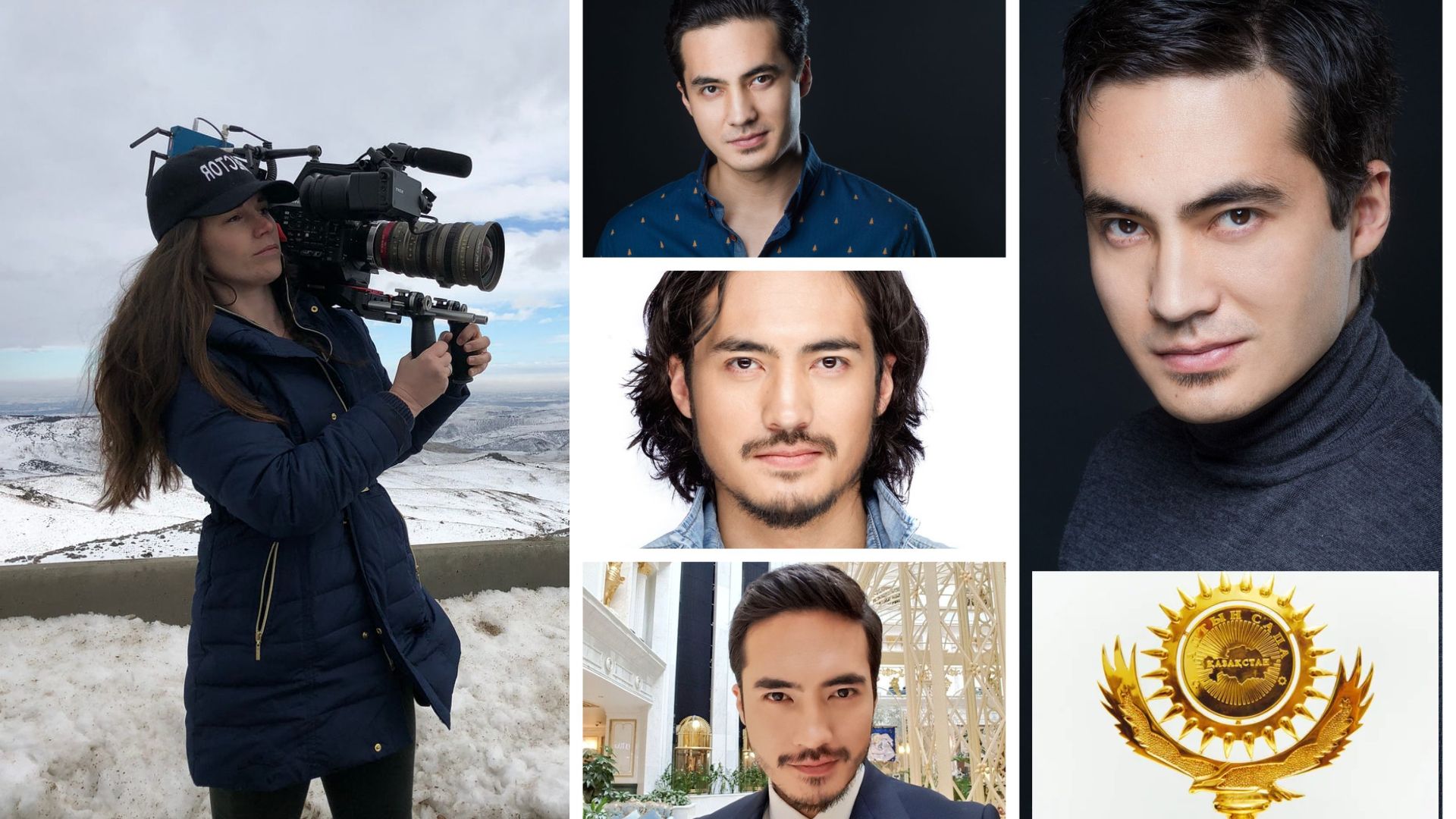
Kazakhstan Film Industry
Kazakhstan's film industry began in the 1930s with the production of documentaries in Alma-Ata
(now Almaty) for Soviet propaganda. The first Kazakh feature film, Amangeldy (1939), was made by
Lenfilm in Leningrad. World War II also boosted filmmaking in Kazakhstan when the Soviet film
studios, Mosfilm and Lenfilm, were evacuated to Alma-Ata and combined with the Alma-Ata Film
Studios to form the Central United Film Studio.
Kazakhstan's diverse natural landscape, which allows filming in all four seasons, makes it
attractive to foreign partners. Domestic films are gaining recognition at international
festivals, such as Cannes and Berlin, and the "Kazakhfilm" film studio has the potential to
promote domestic film products internationally. In 2021, "Kazakhfilm" began a modernization
process that is expected to be completed in 2023.

Kazakhstan Economy
Kazakhstan’s economic forecast for the next two years is steady growth. After rebounding from
the adverse impacts of Russia’s invasion of Ukraine in 2023, growth is expected to slow to 3.4%
year-on-year in 2024 due to lower-than-expected oil production.
Real GDP is forecast to grow by 4.5-5% in 2025 as the expansion of production capacity in
existing oilfields is set to boost exports and spur growth of the petrochemical industry in 2025
and beyond. Investment in mining and manufacturing is anticipated to be stable. Household
spending growth is expected to strengthen in 2024 as inflation subsides and financial conditions
ease.
Elevated inflation is expected to fall, but to remain above the National Bank of
Kazakhstan’s (NBK) target in 2024 and 2025. Inflationary pressures started to ease in 2023,
falling to 9.8% in December 2023, following monetary tightening. Achieving the NBK’s inflation
target of 5% could be possible provided there is no premature monetary loosening alongside
implementation of fiscal consolidation plans. Continued measures to remove distortive subsidized
interest rate policies will improve the effectiveness of the transmission of monetary policy.